How Many Points the FIA Took From Nikola Tsolov – and Made the Championship More Interesting
After two wins at Silverstone, Nikola Tsolov was on track to settle the Formula 2 title early. Since then, at least 15 provable points have been taken from him by the stewards – and his lead over Rafael Camara has shrunk to just 11.
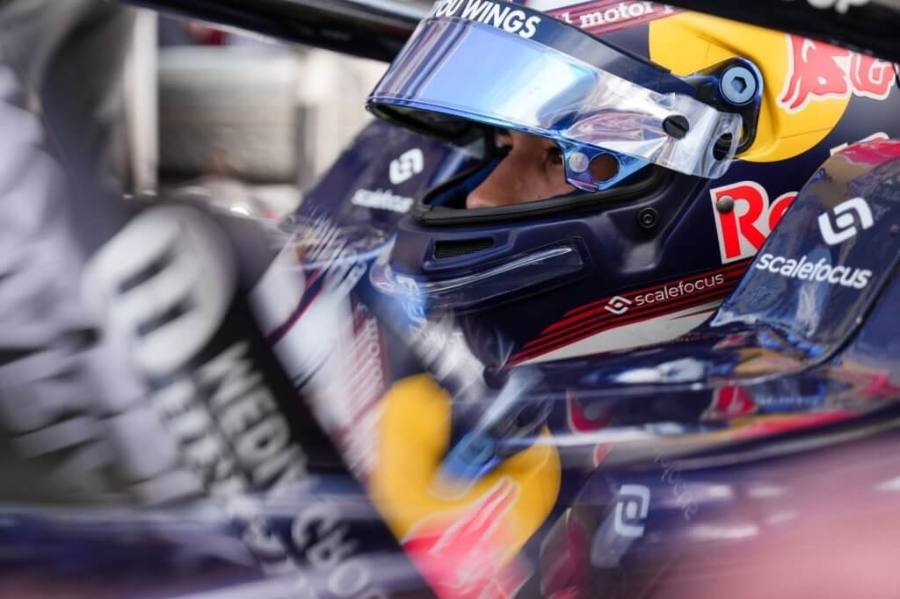
Drop by drop – that’s how Chinese water torture works. They don’t hit you all at once, because that would be too obvious. They take a little in Montreal, a little more in Barcelona, send you back in Budapest, then again at Monza. Each individual decision can be explained by the rulebook. Put together, though, they start to look like a pattern.
After the two wins at Silverstone, Nikola Tsolov was on his way to making the Formula 2 title fight pointless. The Bulgarian wasn’t just leading – he was starting to pull away with a pace, confidence and consistency his rivals had no convincing answer to.
And a settled championship isn’t an interesting championship.
From that point on, every opportunity to sanction Nikola was used. Sometimes justifiably, sometimes debatably, but always painful enough to stop him from pulling away for good. The result today is 177 points for Tsolov and a lead of just 11 over Rafael Camara.
Just two of the post-race penalties alone have cost him 15 fully provable points. Without them, Nikola would have 192 and a lead of 26. And that tally doesn’t even include the losses from the grid penalties in Budapest and Monza.
The FIA’s Water Torture: Point by Point
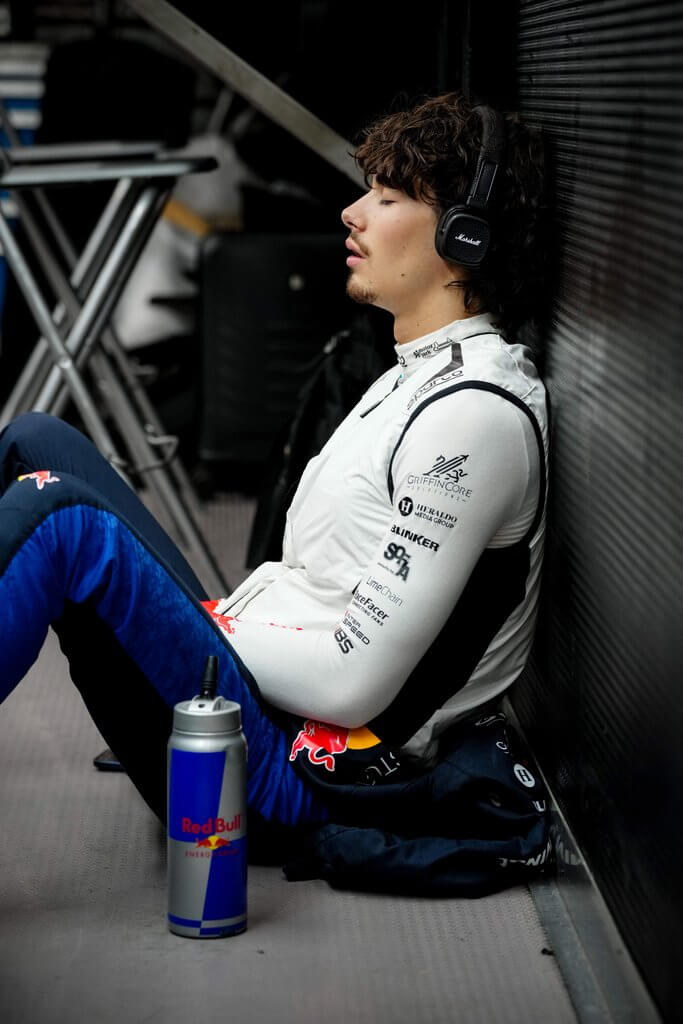
There’s no need for one scandalous decision to flip a championship upside down. That would look far too suspicious. It’s much easier for a lead to be worn away gradually.
First comes a post-race penalty. Then a lost podium. Then a few places dropped on the grid. Each drop looks small on its own. Added up over a season, though, they become the difference between a title that’s basically decided and a championship that stays open until the final rounds.
That’s exactly what happened to Tsolov.
| Scenario | Tsolov’s points | Lead over Camara |
| Actual standings | 177 | 11 |
| Without the Montreal and Barcelona penalties | 192 | 26 |
Fifteen points aren’t theory, nor a fan’s best-case-scenario calculation. These are points Nikola actually won on track and lost through stewards’ decisions.
Montreal: 12 Points Vanished After the Finish
In the feature race in Montreal, Tsolov crossed the line fourth. That should have earned him 12 points.
After the finish, though, came a 10-second penalty for leaving the track and gaining an advantage in his battle with Oliver Gøtz. Nikola was dropped to 12th and left with zero points.
With one signature on the decision, his entire race haul was wiped out.
Whether the penalty was correct by the letter of the rulebook is debatable. Its effect is not – minus 12 points for Tsolov and a huge gift to everyone chasing him.
Barcelona: A Penalty for One of the Overtakes of the Season
In Barcelona, Nikola finished third on track but was given five seconds for his overtake on Gabriele Mini off the track limits. The podium became fourth place, and 15 points became 12.
The penalty itself looked like pure nitpicking. Mini didn’t even have a theoretical chance of holding off Tsolov. Nikola was significantly faster, attacked him from the outside, and used the longer, harder line to complete the move. This wasn’t a case of a driver cutting a corner to gift himself a position. It was a bold move around the outside – exactly the kind of overtake that gets fans on their feet.
Clearly, though, the stewards don’t much care for overtakes like that. They chose to measure centimetres around the white line rather than register what was actually happening on track: Mini was already beaten and had neither the speed nor the position to respond to Tsolov.
Yes, the rulebook allows the sanction. But if every spectacular overtake around the longer, outside line ends in five seconds after the finish, then no one at the FIA should later wonder why drivers prefer to wait for DRS on the straight instead of taking risks in the corners.
Fans love moves like that. The stewards, apparently, don’t.
Another drop. Another three points. And another case where the FIA punished not dangerous or unfair driving, but the very will to race.
Budapest and Monza: The Losses That Can’t Be Calculated
In Budapest, Tsolov received a five-place grid penalty over contact with Sebastian Montoya in the sprint. Instead of starting the feature race seventh, he started 12th. He fought back to seventh and scored six points, but his Sunday had already been compromised before the start.
At Monza, another sanction followed – three places back for weaving in front of Montoya in qualifying. The penalty affected his positions in both races. Despite that, Nikola finished fifth in the sprint and seventh in the feature race.
There’s no honest way to calculate exactly how many points these decisions cost him. Starting further back changes the traffic, the strategy, the tyre management and the risk of incidents. But claiming they cost him nothing would be even less honest.
So 15 points is only the provable minimum. The real cost is probably higher.
And Camara Seems Immune
While Tsolov’s season is examined under a microscope and almost every mistake of his ends up in the stewards’ report, Rafael Camara appears to enjoy noticeably more leeway. Nikola keeps racking up post-race penalties, grid drops and directly lost points, while his main rival goes through the season without a comparable string of decisions doing similar damage to his tally.
Camara seems almost immune to the kind of sanctions that have become a constant backdrop to Tsolov’s season. Of course, that immunity might just be a consolation gift for the psychological damage Nikola inflicted on him in the Monaco feature race. After that humiliating gap on the streets of Monte Carlo, the stewards’ reports are probably the least he deserves for some peace of mind.
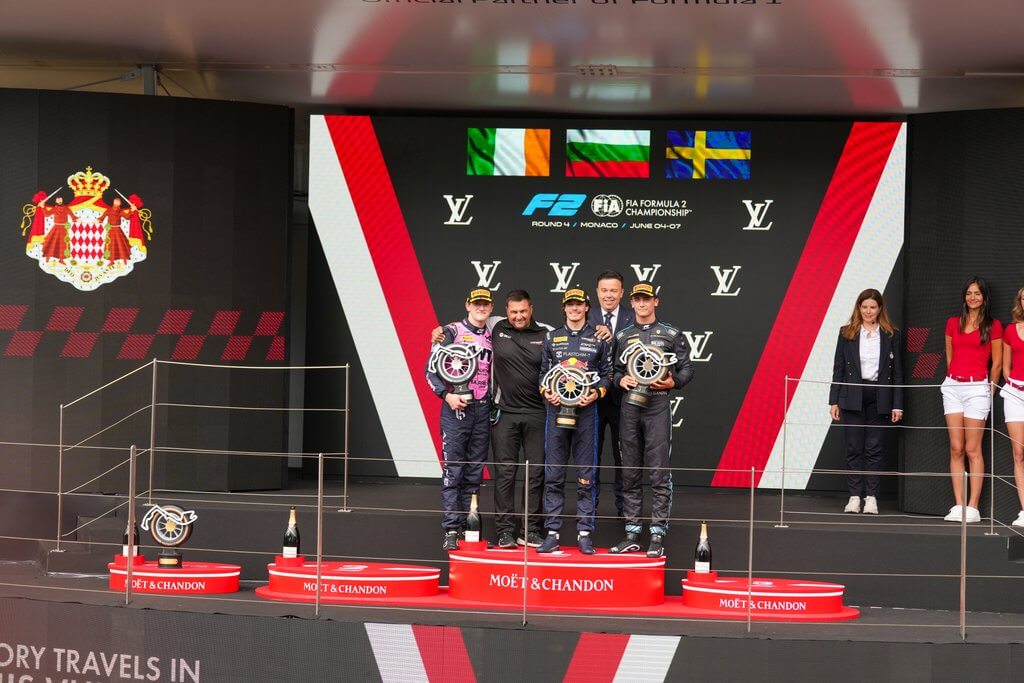
source – © Copyright: LAP.bg
Joke aside, the difference in consequences is obvious. That doesn’t prove Camara is deliberately favoured – he may simply have given fewer reasons for sanctions. But when one title contender loses positions and points at almost every opportunity while the other moves through the season with near-diplomatic immunity, the question of an equal standard is entirely fair.
Miami: When Nikola Paid for Someone Else’s Mistake
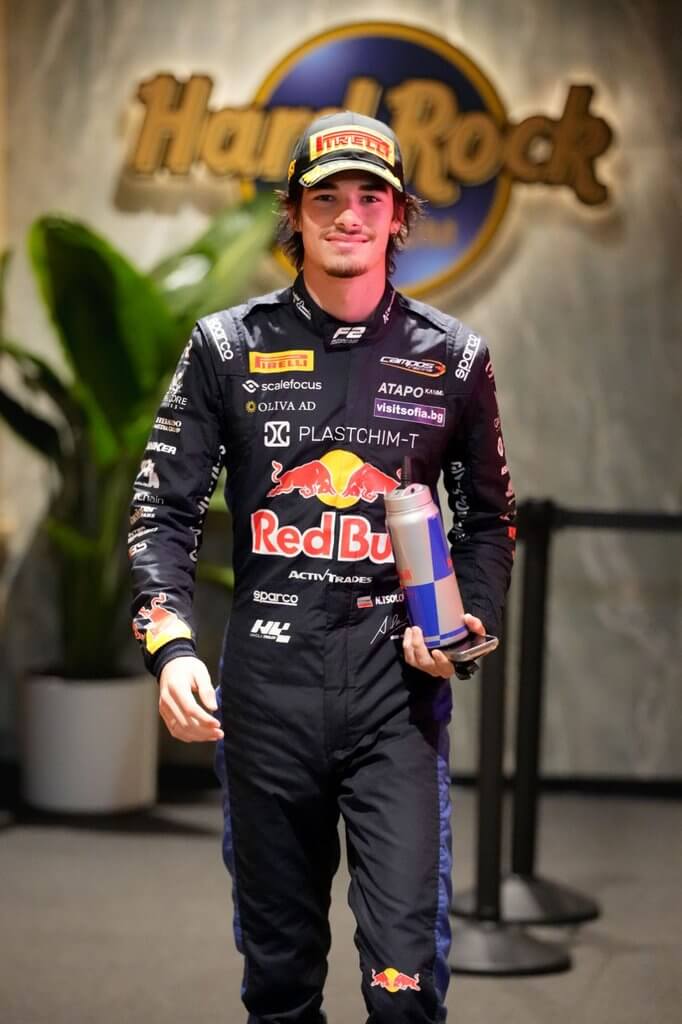
To the penalties we should also add Miami, although this case is in a completely different category.
After winning the sprint, Tsolov was taken out on the very first lap of the feature race by Tasanapol Inthraphuvasak. The culprit received a 10-second penalty, but that didn’t put Nikola back in contention or earn him any points.
The sanction punished Inthraphuvasak on paper. The real cost was paid by Tsolov.
There’s no way to know where the Bulgarian would have finished had he not been hit. All we know is that after winning the sprint, he had a genuine chance at another strong result. It disappeared on the very first lap.
After Silverstone, the Championship Had to Be Saved
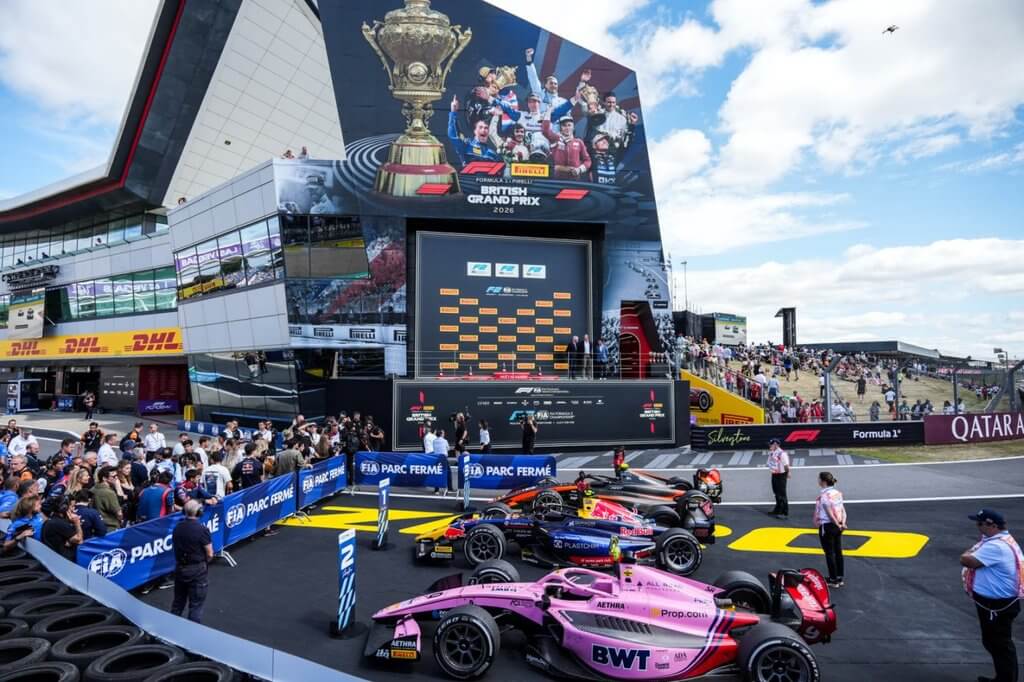
The two wins at Silverstone showed what could happen if Tsolov got a clean weekend. He took the maximum, opened up a serious lead, and started turning the season from a fight into a demonstration.
That’s exactly when the danger of the championship being settled too early became real.
From that moment on, every mistake by Nikola was punished, every borderline situation was reviewed, and every chance to send him backward was taken. Not with one huge, obvious blow, but gradually – drop by drop.
Montreal: minus 12.
Barcelona: minus 3.
Budapest: five places back.
Monza: three more places back.
Miami: zero points because of someone else’s crash.
And that’s how a lead that could have made the championship all but a formality has today been whittled down to just 11 points.
The FIA Made the Championship More Interesting. The Question Is at What Cost
There’s no proof the FIA deliberately set out to stop Tsolov or help Camara. And there’s no need to invent one. It’s enough to look at the result.
The stewards’ decisions have cost Nikola at least 15 certain points. Without them, he’d have 192 and a lead of 26. Add in the likely losses from Budapest and Monza, and the gap could be even bigger.
Meanwhile, Camara keeps chasing the leader without a comparable avalanche of penalties weighing on his season. One is scrutinised and sanctioned down to the last centimetre. The other seems to be driving with diplomatic immunity.
Yes, some of the mistakes are Nikola’s own. If he wants the title, he needs to stop giving the stewards reasons to act. But that doesn’t change the obvious: since Silverstone, the FIA has had plenty of chances to put the drama back into the championship – and it’s barely missed one.
Drop by drop, point by point, position by position.
The FIA has already made the championship interesting enough. Now it’s up to Nikola to make it boring again.
___
Article prepared by Lyubomir Asenov and Tanya Peneva.