FIA Found Sepang’s Real Culprit: A Software Bug, Not Bad Weather
The rain made the race dramatic. The bug in the power unit software made it dangerous. The FIA explains exactly what happened behind the stalled cars on the grid — and why there’s no guarantee it won’t happen again.
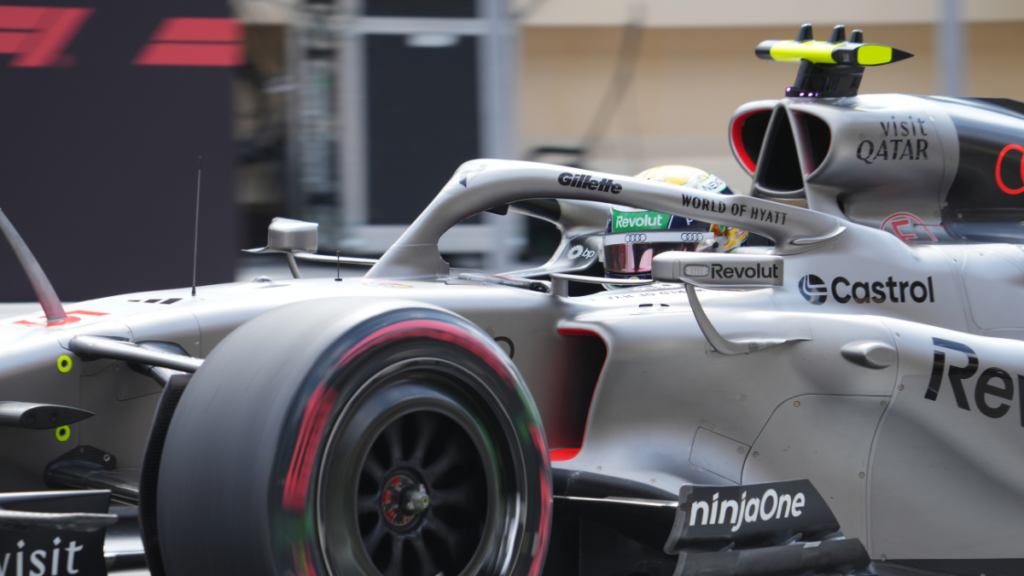
The explanation right after Sepang was conveniently simple: rain, chaos, cars stalling — bad weather, nothing to be done. The FIA’s official investigation, published this week, takes that version apart. The problem wasn’t the rain. It was a line of code nobody had tested at a low enough speed.
What actually happened
At very low engine RPM, in sectors of the track where a 250kW power reduction was in force, the affected cars’ electric motors didn’t just throttle back — they switched off entirely. Without electric assistance, turbo lag takes over completely, and in practice that means a car that simply refuses to go. That’s exactly what we saw behind the safety car at Sepang.
Why it didn’t show up sooner
The most uncomfortable detail in the FIA’s report is that the software had already been tested — in practice sessions at Belgium and the Netherlands, with no issue. The reason is simple and mildly embarrassing for everyone who wrote the code: those sessions never reached speeds as low as those run behind a safety car in the rain. Everything was tested except the exact scenario that actually happened.
A fix on the fly, and what comes next
During the stoppage itself, the FIA sent an emergency software update to every team and manufacturer, lifting the 250kW restriction in the affected mini-sectors. The Sepang configuration will return for Singapore if similar weather is expected, with a further wet-weather update scheduled for the United States Grand Prix on 25 October.
FIA single-seater technical director Nikolas Tombazis was refreshingly honest about the limits of the fix:
Can I guarantee it will never happen again? This specific problem, yes. A problem, no.
What’s left unsaid
The report mentions no penalties — logically enough, since the fault lies in the FIA’s own standardised software, not in any team’s or driver’s conduct. But Tombazis’ admission is the real story of modern Formula 1: with this much electronics on board, the next software bug isn’t a question of “if,” but of “when” and “where.” The FIA, teams and manufacturers all promise tighter testing going forward, including independent assessment and input from the standardised ECU supplier. A convenient promise, worth exactly as much as the next wet race proves it to be.
Based on reporting by Yahoo Sports and the FIA.