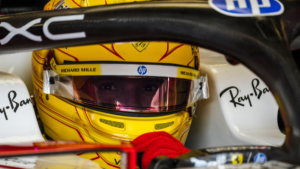
Nikola Tsolov Extends His Championship Lead After the Monza Sprint
Joshua Duerksen won a clean Monza sprint for Invicta and Oliver Gøtz took third, while Nikola Tsolov banked a measured fifth place after Rafael Camara was spun out at the start by Nicola Varrone.
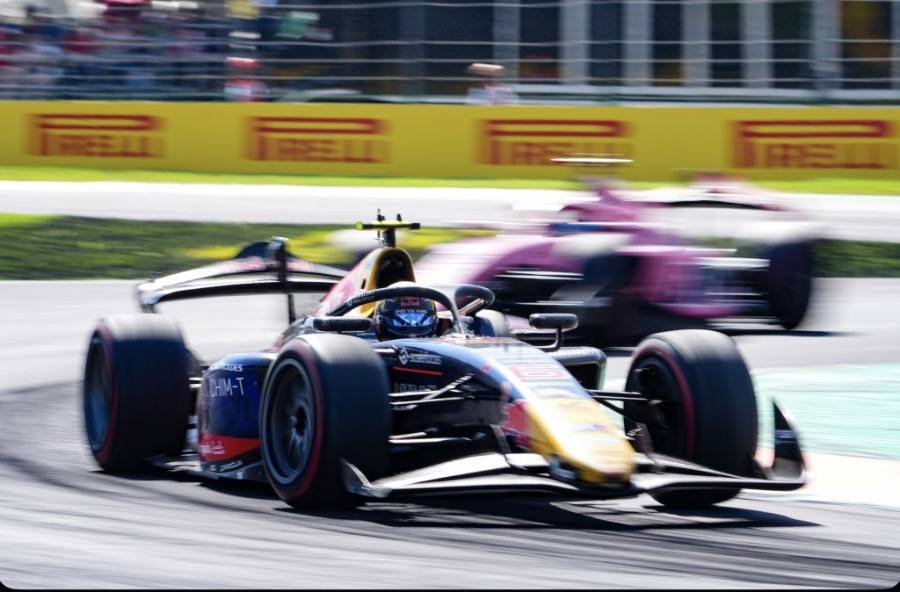
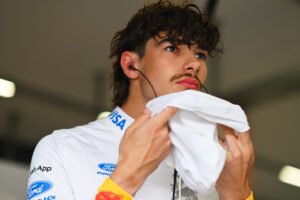
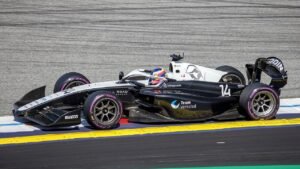
On days like this, a title isn’t won with a trophy, it’s won by refusing to hand over points. Joshua Duerksen won the Monza sprint for Invicta with a clean, confident drive, Oliver Gøtz climbed onto the podium in third, and Nikola Tsolov banked a measured fifth place across 19 chaotic laps at the Temple of Speed, extending his lead over Mini and Camara. The moment that mattered most for the championship didn’t come under the chequered flag, but at the start, when Rafael Camara was spun by Nicolas Varrone and came away with nothing.
Monza and the Unpredictability of the Sprint
The championship leader drove as if he’d heard that very briefing at the morning meeting. Keep the nose clean, manage the slipstream trains between Lesmo 2 and the Ascari, pick your battles, and leave the knives for those who had more to lose and less to gain today. It wasn’t spectacular. It was effective.
Results and Risk, Not Romance
Sprints at Monza often turn into long straights where the chess is played on hope rather than deltas. Duerksen read it perfectly, managed the moments, and when the pack thinned out ahead, pulled clear. Gøtz took his third place with one of those solid, opportunistic podiums that matter when the wind is against you and the elbows are out. If you underrate drives like that, check the points in November. They’re always there, like loose change in a winter coat.
Duerksen’s Day, Gøtz’s Timing
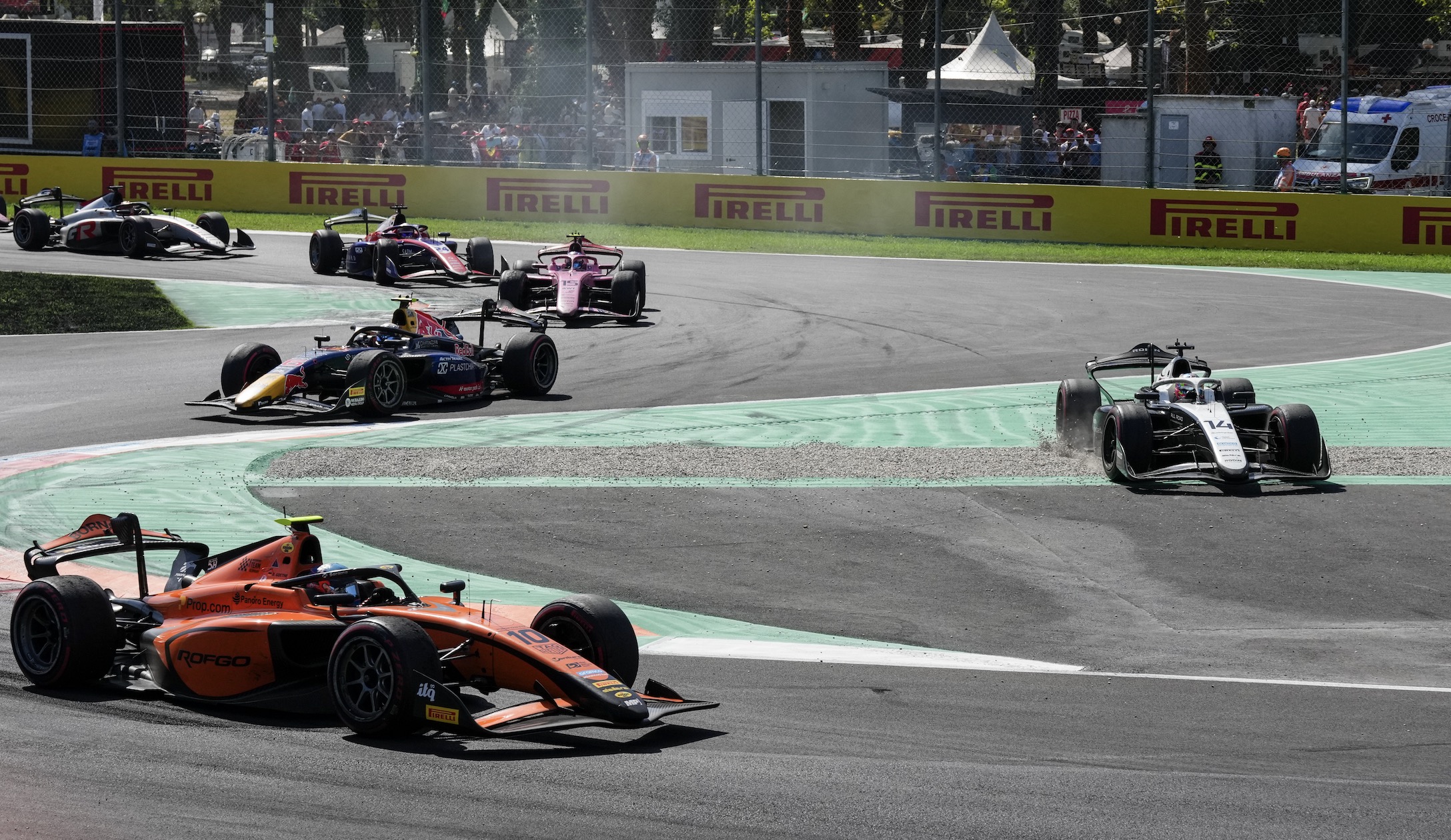
It’s right to note what Tsolov gained, but it’s also right to give Duerksen his due. Invicta have had flashes of pace this year, and today they turned it into a win. Duerksen managed the pace out front without gifting the pack behind a free tow into Turn 1. That takes discipline at Monza, where the temptation arrives at 340km/h. Gøtz’s third place is a matter of timing as much as speed, the ability to be on the right piece of tarmac when someone hesitates at the Ascari or locks up at the Parabolica. In the junior formulas, podiums like that build careers. There’s nothing junior about the skill of winning them here.
Camara’s Zero and the Cost of Chaos
Camara’s story fits in one sentence: he was spun by Nicolas Varrone early on, and that was the end of his sprint. At Monza, if you fall out of rhythm early, the time doesn’t come back and the trains you needed to latch onto have already left. Zero points. On a Saturday like this, that’s not just bad luck, it’s a strategic failure caused by bad luck. That’s how titles are lost, not with fireworks, but with a sigh and a powerless engine.
Championship Management 101, Monza Edition
There’s a reason experienced engineers wince when a young driver wants to lead every lap of a Monza sprint. The risk-versus-reward profile is skewed. The reward is modest. The variables are wild. Tsolov’s approach carried the right dose of restraint. He didn’t try to rewrite Monza’s physics, he worked with them. He understood that the feature race is where you plant a flag, not the sprint. And he spotted a gap in the standings and took it, without banging the drum about it.
It’s worth spelling out what he gained beyond the points. He bought himself options for Sunday: a fresher set of tyres where it matters, less tension in tonight’s engineering meeting, clarity on his closest rivals, and a margin that takes the edge off any need to force it into Turn 1. There’s an art to reaching the feature race without a to-do list longer than the steering wheel. He just did it.
What Tomorrow Will Demand of the Leader
Sunday will ask different questions. The distance stretches the pit window, tyre warm-up matters more with a fuel load, and DRS becomes a lever, not a crutch. Starting from ninth isn’t a promise, it’s a puzzle. The solution calls for the same hierarchy of decisions we saw today: hold position if the risk rises, push when the car’s in its window, and never chase the car ahead at the expense of the race you can win after fifteen laps. If there’s a safety car, fine, take the restart. If there isn’t, fine, push on the out-lap where everyone else turns cautious. But don’t build tomorrow around an “if.” Build it around the points ladder.