Xpeng L03 review: the Ferrari-browed SUV coupe with an AI brain
China’s Xpeng borrows cues from Ferrari’s design studio and builds an SUV coupe around Turing-named AI chips and autonomy Europe isn’t allowed to switch on.
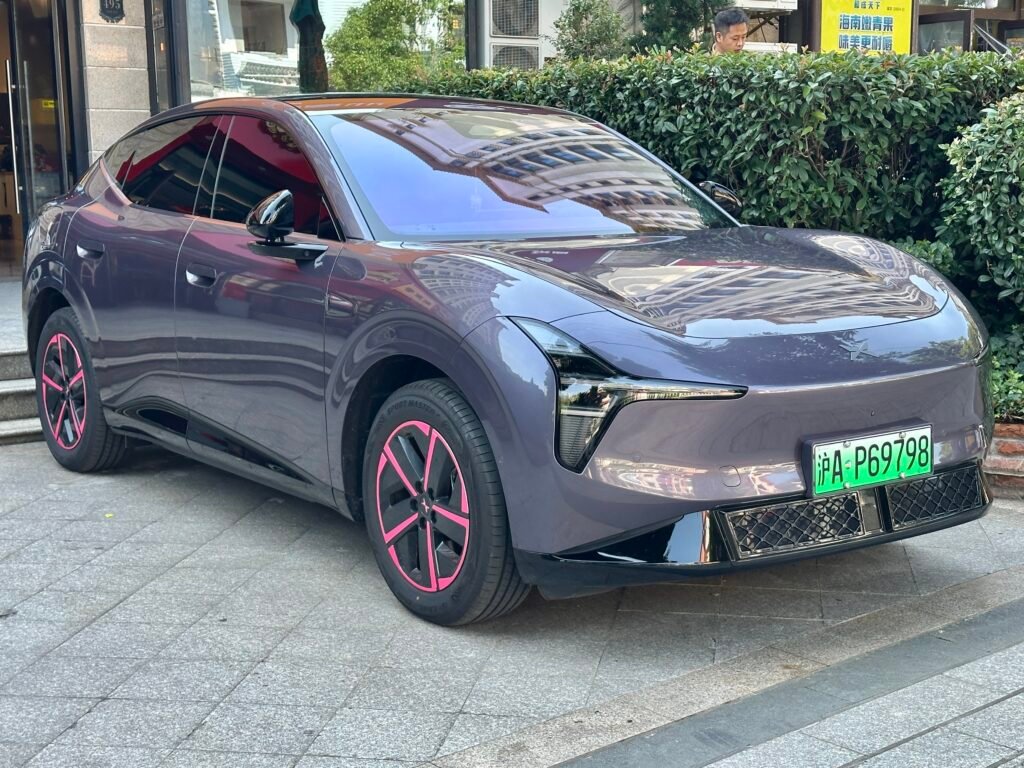
Снимка: Poprace / Wikimedia Commons (CC0)
Most Chinese EVs are still content looking like a distant cousin of some old Tesla. Xpeng, however, decided to skip a generation and hire a pen that once drew some of Ferrari’s more memorable modern berlinettas. The result is called the L03, an SUV coupe pitched as rather more than another cut-price AI appliance on wheels.
The nose really does borrow some of the swollen-arch drama of a 458 Italia, and Xpeng doesn’t stop there: the roofline sweeps back into a coupe-SUV silhouette finished off by a flick of rear spoiler. The headlights have a whiff of Polestar about them, the rear light bar recalls the MG IM6, and from most angles the L03 looks considerably more interesting than the larger, blobbier G6 that introduced Xpeng to Britain back in early 2025.
Underneath, the L03 runs a 400V electrical architecture rather than the G6’s 800V setup, yet it’s the smaller car that gets the heavier dose of Xpeng’s own artificial intelligence. Range-topping Ultra models pack three of the company’s Turing chips, named after Alan Turing, unlocking Level 3 autonomous driving. In China, at least; UK regulations mean British buyers will get the hardware without the full capability.
The line-up opens with a rear-drive, small-battery version expected to start around £33,000, close enough to trouble the Skoda Enyaq and Renault Scenic, though the Geely EX5 should hold on to the cheapest-in-class title at roughly £32,000. At the top sits the dual-motor Performance Ultra, good for 425bhp and 333lb ft, 0-62mph in 4.5sec, and an anticipated sub-£45,000 price, several thousand under a Skoda Enyaq vRS that it beats by 90bhp. Range is where the L03 struggles: 273 miles WLTP for the Performance Ultra, 277 miles for the base RWD car and 323 miles for the Long Range, all some 50 to 70 miles shy of the class leaders.
Inside, comfort wins over sportiness: soft synthetic leather, heated, vented and massaging seats, and an oval steering wheel that feels better than it looks. A 15.6in touchscreen makes CarPlay and Android Auto usable on the move, but the car’s own AI-driven interface, however quick to respond to touch or conversational commands, buries itself in fiddly shortcut widgets. The climate controls are fully digital too, so don’t expect physical buttons. Rear passengers fare better: there’s genuinely generous leg, head and foot room, a hidden underseat drawer and a ski hatch. Boot space is a modest 367 litres, though a frunk adds 44 to 89 litres depending on drivetrain.
On the move, the Performance Ultra is quick without being violent, no fake engine noise or gear shifts here, just a well-insulated cabin and swift, composed progress. The ride is squishy rather than sporting, which means this two-tonne-plus SUV leans through corners more than its hot rivals; it’s never unsettled, just never playful either. The steering is a touch numb and oversensitive at motorway speeds, and you can’t fully disable the stability control, even in Sport mode.
The verdict: handsome, especially in Performance Ultra guise, effortlessly quick, comfort-focused and fitted with a genuinely brilliant head-up display that projects the reversing camera feed onto the windscreen. What it lacks is dynamic sparkle, class-leading range and, frankly, enough physical buttons. Looking like a Ferrari and driving like one, it turns out, remain two entirely different jobs.
Source: Autocar (https://www.autocar.co.uk/car-review/xpeng/l03)