Caravan or Motorhome: Which Mistake Is Cheaper
We compare caravans and motorhomes on entry price, running costs, licence category and depreciation – to help you work out which compromise actually suits you.
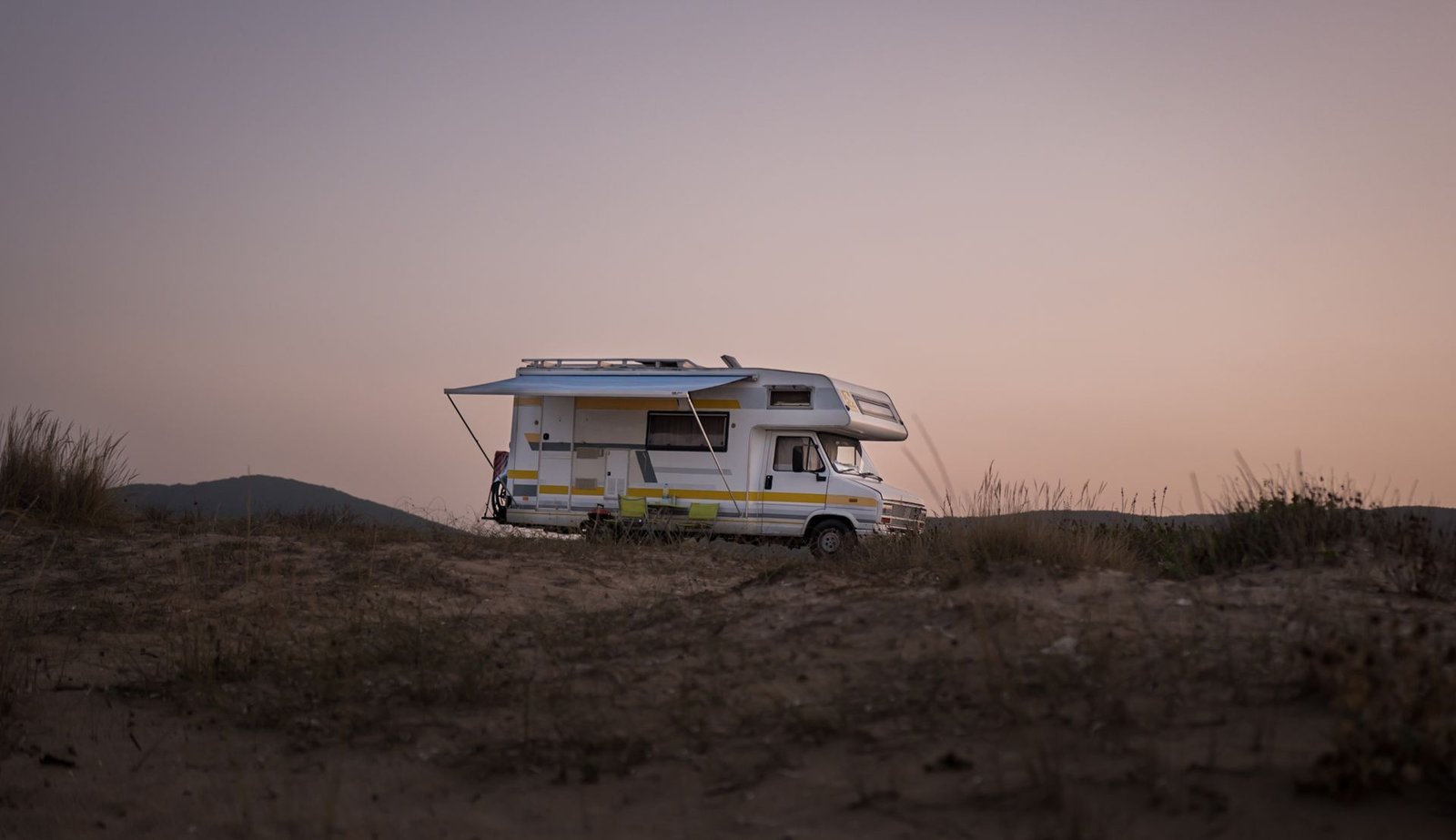
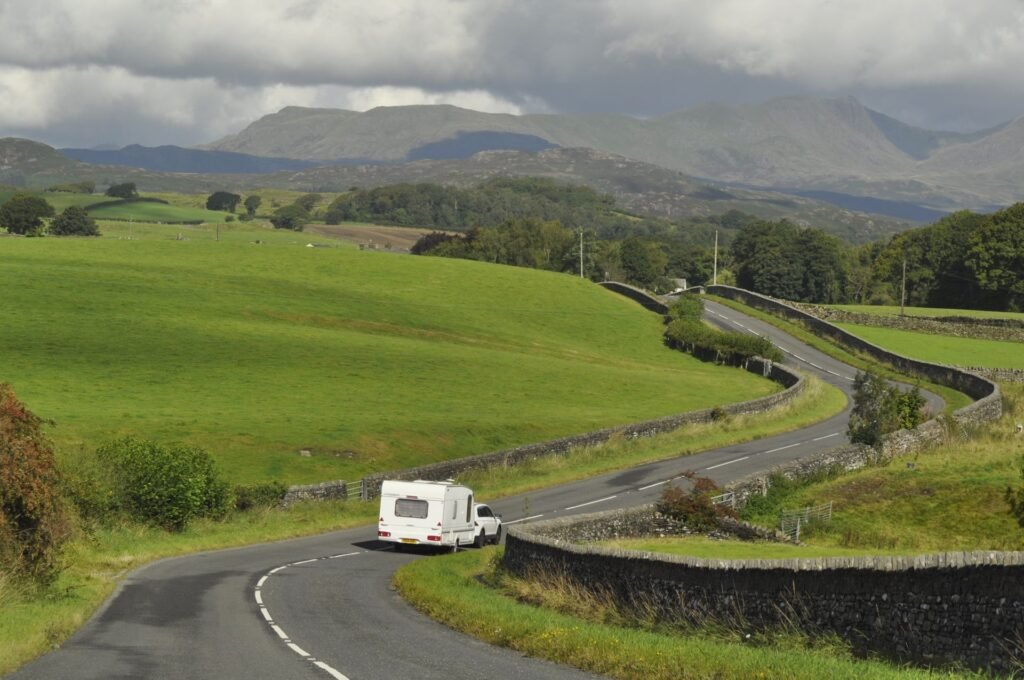 Снимка: Himalay Patel / Pexels.
Снимка: Himalay Patel / Pexels.
Sooner or later, anyone tired of hotel sheets that smell of fabric softener arrives at the same fork in the road. On one side sits the caravan – light, cheap, independent of its own engine. On the other, the motorhome (the camper van, if you are younger about it): one vehicle, one registration, one fuel tank, and exactly one point of failure. The question of which is “better” has no clean answer, because you are not really comparing two kinds of vehicle – you are comparing two ways of travelling that diverge on almost every measurable point.
In this story: The Price of Entry — Running Costs — The Licence That Decides Everything — Freedom (and Its Cost) — Depreciation — Who Each One Actually Suits
The Price of Entry
Start with the number that stops most people’s enthusiasm cold. According to J.D. Power, a basic motorhome starts at roughly $50,000, while a classic towable travel trailer typically runs $20,000 to $30,000 – cheaper still for smaller models. The UK market, via Oaktree Motorhomes’ figures, tells a similar story: a small Class B motorhome starts around £30,000, while a proper Class A can exceed £150,000. Classic caravans sit between roughly £10,000 and £40,000.
For comparable size and equipment, the caravan is almost always the cheaper door into this lifestyle, simply because you are not paying for an engine and chassis – you are paying only for the “house” part.
Running Costs
The gap does not disappear – it just changes shape. Maintaining a motorhome runs to a couple of thousand dollars a year, per J.D. Power, since you are servicing both a vehicle and a living space; a caravan typically costs under half that, plus the upkeep of a tow vehicle you would likely own regardless. A Class A motorhome averages 7-10 mpg; smaller classes manage 10-25 mpg. Insurance follows the same logic: full motorhome cover can exceed £1,000 a year in the UK, while caravan insurance usually lands around £200-£600 – plus the tow vehicle’s own policy.
The Licence That Decides Everything
This rarely makes it into the brochures, yet it settles more purchases than any interior layout. Across the EU, a standard category B licence covers a vehicle up to 3,500 kg – enough for a compact motorhome. With a caravan the arithmetic turns trickier: if the combined weight of “car plus caravan” exceeds 3,500 kg, you need category B96 or BE. Buy a bigger caravan for a family with children, and you risk discovering your own licence will not cover it.
Freedom (and Its Cost)
With a caravan, your car stays free – you arrive, unhitch, and drive a normal car to the beach or the shop. The price is the unhitching itself, plus the skill of reversing a trailer without erasing someone’s hedge. A motorhome offers the opposite trade: arrive, stabilise, and you are done – but the moment you want to pop out for milk, you are moving the entire house. And if the engine fails somewhere en route, you lose not just the car but the bed, kitchen and bathroom along with it.
Depreciation
Large Class A motorhomes lose roughly 20-30% of their value in the first few years; smaller classes shed 15-25%. Caravans hold value best, typically losing only 10-20%. The logic tracks: a motorhome depreciates as both a vehicle and a dwelling at once.
Who Each One Actually Suits
The caravan is the cheaper mistake; the motorhome is the more convenient compromise. A family doing two trips a year usually comes out ahead with a trailer behind a car they would have bought anyway. A couple looking to disappear for months pays more – but buys precisely the absence of complications.
Sources: Coachman UK, J.D. Power, Oaktree Motorhomes, TÜV Nord.